
The rise of decentralized finance (DeFi) and blockchain technology has enabled a profound transformation in how traditional financial assets are accessed, managed, and exchanged. One of the most promising innovations is Real-World Asset (RWA) tokenization. By tokenizing physical assets such as real estate, commodities, and even fine art, blockchain technology creates a new ecosystem of financial instruments that are more liquid, accessible, and transparent.
However, despite its potential, the success of RWA tokenization platforms hinges not only on technological capabilities but also on their ability to operate sustainably in the long term. This requires integrating robust security measures, adhering to evolving regulatory frameworks, and delivering value to both asset owners and investors.
What is RWA Tokenization?
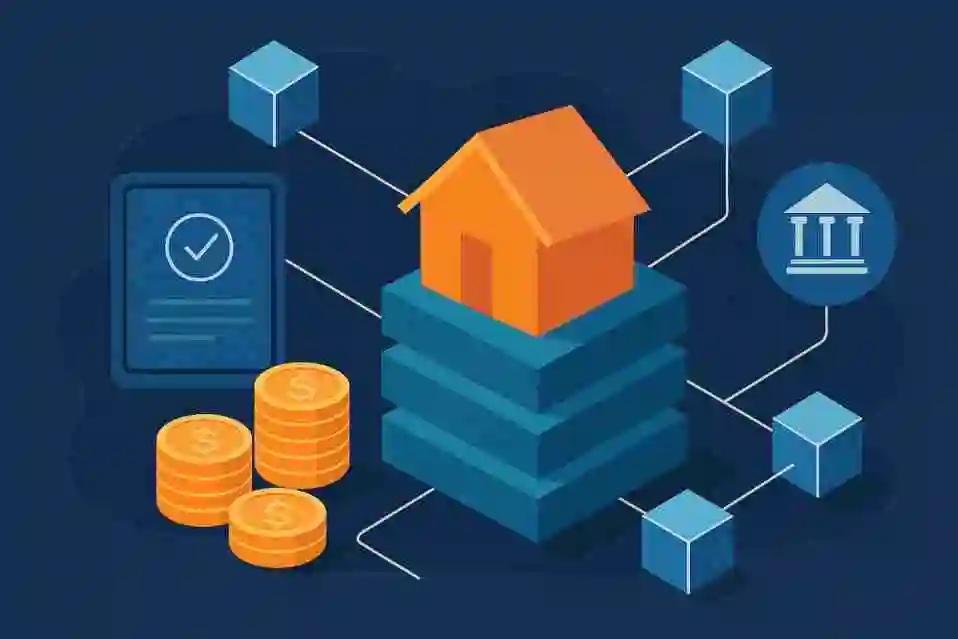
RWA tokenization is the process of converting ownership of real-world assets into digital tokens on a blockchain. These tokens are typically cryptographically secure and represent a share or ownership interest in a tangible asset. The tokenization process can apply to a wide range of assets, including real estate, art, intellectual property, and even financial instruments like bonds and loans.
At its core, RWA tokenization allows asset owners to divide their property into smaller, tradable units, making it more accessible to a broader pool of investors. This process can dramatically increase liquidity and broaden the investor base by offering fractional ownership in previously illiquid markets.
Commonly Tokenized Assets
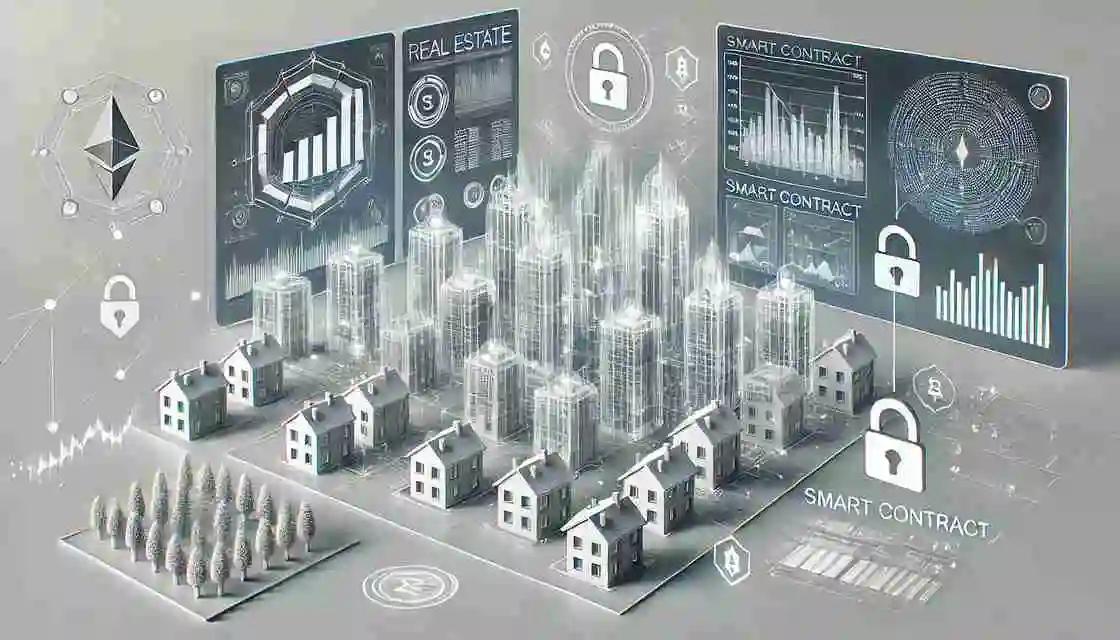
Real Estate: Real estate is one of the most popular asset types to tokenize. Through tokenization, investors can buy fractions of properties, offering both commercial and residential real estate a new liquidity model.
Precious Metals and Commodities: Tokenization can also apply to tangible commodities like gold, silver, and oil, providing fractional ownership and a direct route for investing in physical goods.
Collectibles and Fine Art: High-value assets like rare art pieces or collectibles can be tokenized, allowing a diverse range of investors to own a portion of expensive works of art or rare items.
Infrastructure and Equipment: Tokenizing assets such as machinery, data centers, or even logistics infrastructure opens up new revenue generation and investment models for these traditionally illiquid sectors.
Financial Instruments: Securities such as bonds, loans, or even revenue-sharing agreements can be tokenized to facilitate faster, more transparent, and accessible capital formation.
Benefits of RWA Tokenization
Liquidity: Tokenization allows traditionally illiquid assets to be traded on blockchain-based platforms, increasing access to previously inaccessible markets.
Fractional Ownership: Tokenizing real-world assets enables fractional ownership, making it easier for smaller investors to participate in markets they might otherwise be excluded from due to high entry costs.
Transparency: Blockchain's immutable ledger ensures transparency, making it easy to track ownership and transfer of assets in real-time. This level of transparency improves trust among investors and asset owners.
Global Accessibility: Tokenization offers global access, enabling international investors to participate in the market without being bound by geographical barriers.
Lower Transaction Costs: Traditional systems often involve intermediaries (lawyers, banks, brokers), which increase costs. Blockchain reduces the need for intermediaries, enabling faster and cheaper transactions.
Key Components of a Sustainable RWA Tokenization Platform
1. Legal Compliance
Legal compliance is the foundation of a sustainable RWA tokenization platform. The platform must operate within the framework of local, national, and international regulations. Compliance challenges can arise due to the evolving nature of tokenized assets and the varying rules across different jurisdictions.
Key steps include:
Jurisdictional Analysis: Understanding the legal landscape in different regions where the platform will operate.
Legal Opinions and Smart Contract Enforceability: Consulting with legal experts to ensure that tokenized assets are legally recognized and enforceable under contract law.
Securities Compliance: Ensuring that tokenized assets comply with securities laws, especially in markets that consider tokens as securities (such as the United States).
2. Asset Evaluation and Verification
An asset’s value and legal standing must be verified before it can be tokenized. This process ensures that the underlying assets are legitimate and that their value is accurately reflected in the tokens.
Key practices include:
Third-Party Audits: Engage professional appraisers and auditors to evaluate assets before they are tokenized.
Verification Mechanisms: Implement on-chain and off-chain solutions to verify the authenticity of the underlying asset, ensuring investors that they are purchasing legitimate tokens backed by real-world assets.
Documentation and Proof-of-Ownership: Maintain comprehensive digital records of ownership documents and legal agreements that authenticate the existence and value of the tokenized asset.
3. Smart Contract Security
Security is one of the most important aspects of any blockchain-based platform, especially when handling valuable real-world assets. Smart contracts, which automate the execution of agreements, must be rigorously tested and audited to avoid vulnerabilities.
Best practices for smart contract security include:
Code Audits: Conduct thorough security audits of the smart contracts to identify and fix potential vulnerabilities.
Bug Bounty Programs: Engage the community to identify bugs and weaknesses in the code, offering rewards for those who report issues.
Multi-Signature Authentication: Implement multi-signature mechanisms for critical actions within the platform to ensure that no single party has unchecked control over the assets.
4. Custodial and Ownership Mechanisms
The tokenized asset must be linked to real ownership or legal rights. This requires a secure custody mechanism that ensures the token owner has a claim to the underlying asset.
Key considerations include:
Licensed Custodians: Partner with regulated custodians who can hold the physical asset securely and offer insurance in case of loss or theft.
On-Chain Proof of Reserve: Use blockchain technology to provide verifiable proof that the underlying asset is actually held in custody and linked to the issued tokens.
Insurance and Protection: Ensure that the tokenized assets are adequately insured against risks such as theft, natural disasters, or other unforeseen events.
5. Investor Onboarding and Compliance
To ensure that the platform remains compliant and trustworthy, it is important to have an efficient and secure investor onboarding process.
KYC (Know Your Customer): Ensure that all investors undergo identity verification to prevent fraudulent activity and comply with anti-money laundering (AML) regulations.
Whitelisting and Jurisdictional Filters: Implement region-specific filters to ensure that only eligible investors in specific jurisdictions can participate in tokenized offerings.
Data Privacy and Security: Implement encryption and data protection protocols to safeguard investor information and maintain privacy standards.
Step-by-Step Process to Build a Sustainable RWA Tokenization Platform
Building a Real-World Asset (RWA) tokenization platform requires a clear strategy, technical precision, and a thorough understanding of legal frameworks. Below is a concise step-by-step guide to creating a sustainable platform for tokenizing real-world assets.
1. Define Asset Categories and Legal Requirements
Identify Tokenizable Assets: Begin by deciding which real-world assets (e.g., real estate, commodities, art) you want to tokenize. Each asset category has unique legal and regulatory requirements, so understanding these complexities is crucial for successful tokenization.
Research Regulatory Frameworks: Tokenizing assets introduces regulatory challenges. Different assets may be governed by distinct laws such as securities regulations, tax laws, and KYC/AML compliance rules. Understanding these frameworks is essential for compliance and smooth platform operation.
Consult Legal Advisors: Work with legal experts to ensure your platform meets the necessary legal requirements. This will include creating proper contracts and terms of service to handle tokenized assets within the boundaries of the law, ensuring the platform’s legitimacy.
2. Choose Blockchain Infrastructure
Select Blockchain Protocol: Choose a blockchain that offers scalability, security, and low transaction fees. Ethereum, Binance Smart Chain, and Polkadot are some common choices, each with its strengths. Consider the specific needs of your platform when choosing the best blockchain.
Multi-Chain Strategy: To future-proof your platform, consider supporting multiple blockchains. This strategy can help attract a wider audience and enable smoother transitions if one blockchain experiences issues.
3. Develop Smart Contracts and Platform Architecture
Smart Contracts: Smart contracts are the foundation of any tokenization platform. Design contracts that handle token creation, ownership transfer, and yield distribution (such as rental income from tokenized real estate). Ensure they are secure and free from vulnerabilities.
Platform Architecture: Build a scalable, secure, and user-friendly platform. The backend should be capable of handling high transaction volumes, while the frontend should provide an intuitive user experience. APIs must be robust for integration with external tools (e.g., payment processors, KYC providers).
4. Integrate KYC/AML and Compliance Tools
KYC/AML Integration: Implement KYC (Know Your Customer) and AML (Anti-Money Laundering) procedures to verify investor identities and ensure that all transactions are legitimate. Use automated compliance tools to streamline the process and ensure users meet regulatory standards.
Regional Adaptation: Compliance with local regulations is crucial. Customize your KYC/AML processes to meet the specific needs of each jurisdiction in which the platform operates, ensuring full regulatory adherence.
5. Launch Pilot Projects and Testing
Pilot Testing: Before launching at full scale, conduct a pilot test with a small group of users. This will allow you to identify bugs, gather user feedback, and test the platform's security features. Address any issues discovered during this phase.
Security Testing: Ensure the platform is secure against potential threats. Conduct thorough vulnerability assessments to identify any weaknesses in the system.
6. Scale and Expand
Scale the Platform: As the platform grows, ensure it can handle an increasing number of users and assets. This includes upgrading backend infrastructure and optimizing smart contracts for efficiency.
Expand Asset Classes: Gradually add more asset categories to your platform, such as additional property types or financial instruments, broadening your market reach.
Global Expansion: Consider entering new markets by adapting to regional laws, languages, and currencies, allowing for global growth and attracting investors from various jurisdictions.
Conclusion
Building a sustainable RWA tokenization platform involves more than just the technology. It requires thoughtful consideration of legal compliance, asset evaluation, user experience, and security to create a solution that can thrive in a rapidly evolving market. By following the steps outlined in this guide, you can create a platform that not only attracts users but also establishes itself as a trusted player in the tokenization ecosystem.
By carefully balancing innovation with regulatory compliance and operational transparency, you can ensure the long-term success of your RWA tokenization platform.

Write a comment ...