
The real estate industry, historically known for its illiquidity, high barriers to entry, and complex legal frameworks, is undergoing a significant transformation. Real estate tokenization, powered by blockchain technology, is redefining how properties are bought, sold, and owned worldwide. By converting real estate assets into digital tokens, investors gain fractional ownership, increased liquidity, and enhanced transparency. This innovation is not just a passing trend but a paradigm shift that has the potential to disrupt traditional real estate markets.
As global investors seek more flexible and accessible investment opportunities, real estate tokenization is bridging the gap between traditional property ownership and digital assets. This blog explores the impact of real estate tokenization on global property markets, the benefits and challenges associated with this new model, real-world applications, and what the future holds for tokenized assets.
Understanding Real Estate Tokenization
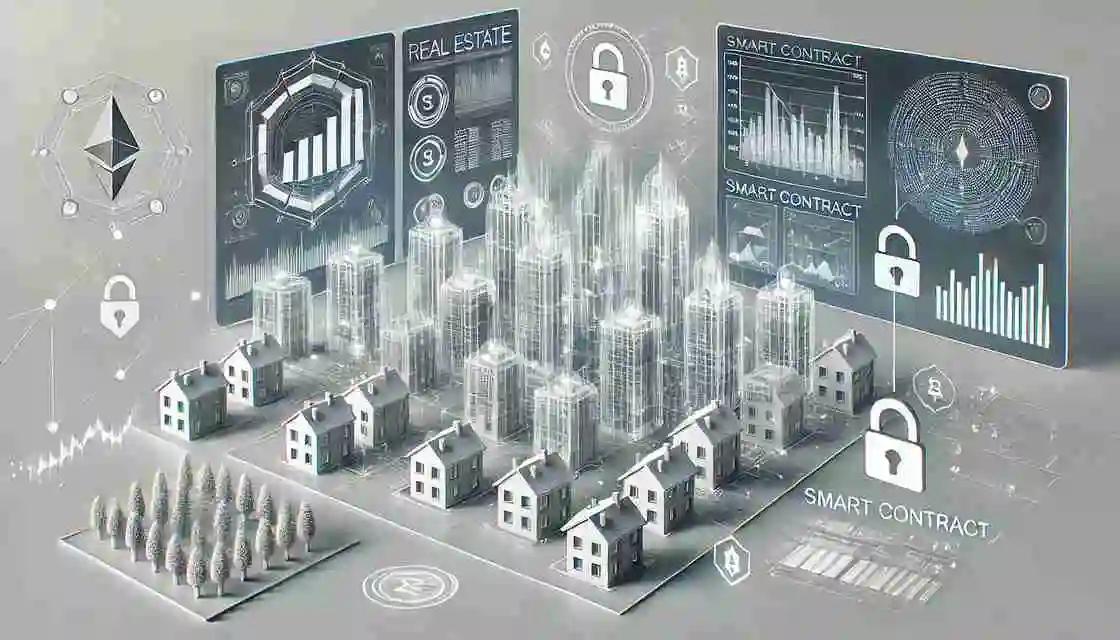
Real estate tokenization is the process of representing ownership rights in a property as digital tokens on a blockchain. These tokens can be traded, sold, or transferred on blockchain-based platforms, making property investments more accessible and efficient. Tokenization enables fractional ownership, allowing multiple investors to hold shares in a property, thereby lowering investment thresholds and democratizing access to real estate markets.
How Does Real Estate Tokenization Work?
Asset Selection: A property is identified for tokenization, and its legal and financial structures are assessed. This includes evaluating the market value, ownership structure, and potential risks associated with the asset.
Legal Compliance: Regulatory frameworks are established to ensure compliance with local real estate and securities laws. This is a crucial step as different jurisdictions have varying regulations regarding tokenized assets.
Token Creation: Smart contracts are deployed on the blockchain to create digital tokens representing shares in the property. Each token represents a fraction of ownership and is programmed to execute transactions automatically based on pre-set conditions.
Token Distribution: Investors can purchase tokens through a security token offering (STO) or an exchange. Depending on the platform, these tokens may come with different ownership rights, such as rental income distribution or voting power on property decisions.
Trading and Secondary Market: Tokens can be traded on blockchain-based marketplaces, increasing liquidity for investors. Unlike traditional real estate investments, which require a lengthy selling process, tokenized properties can be bought and sold with minimal friction.
The Benefits of Real Estate Tokenization
1. Increased Liquidity
Traditional real estate investments require large capital commitments and lengthy selling processes. When an investor wants to exit a real estate investment, they typically have to find a buyer, negotiate terms, and go through a time-consuming legal process. Tokenization eliminates these barriers by enabling secondary market trading, where investors can sell their fractional ownership stakes quickly and efficiently.
By listing real estate tokens on blockchain-based exchanges, the market becomes more dynamic, allowing for real-time trading, increased transaction speed, and a more efficient allocation of capital. This liquidity boost makes real estate investment more attractive to a broader range of investors, including retail investors who may not have been able to participate before.
2. Fractional Ownership
Real estate has traditionally been a high-barrier investment due to the substantial capital required to purchase properties. Tokenization changes this by breaking down large properties into smaller, affordable digital shares, allowing investors with limited capital to enter the market.
Fractional ownership provides an opportunity to diversify investment portfolios. Instead of putting all capital into one property, investors can spread their funds across multiple tokenized assets in different locations, property types, and risk categories. This not only reduces investment risk but also increases exposure to a variety of high-value assets that may have been previously inaccessible.
3. Enhanced Transparency and Security
Blockchain technology ensures that all transactions are recorded on an immutable ledger, providing enhanced transparency in the real estate investment process. Each transaction, including property purchases, ownership transfers, and income distributions, is permanently recorded and publicly verifiable.
Additionally, smart contracts automate key processes, reducing the risk of fraud and eliminating the need for intermediaries. This not only enhances security but also reduces the costs associated with manual processing, paperwork, and third-party fees. Investors benefit from a more trustworthy and efficient system that minimizes the risks of misinformation and fraudulent activities.
4. Lower Transaction Costs
Traditional real estate transactions involve various fees, including agent commissions, legal fees, and processing costs. These expenses can add up, making real estate investments more costly and less attractive. Tokenization reduces these costs by streamlining transactions through blockchain technology.
Smart contracts replace many intermediary functions, automating processes such as ownership verification, payment processing, and compliance checks. This not only accelerates transaction speeds but also significantly reduces costs for both buyers and sellers. By removing unnecessary intermediaries, real estate tokenization creates a more cost-effective and efficient investment ecosystem.
5. Global Investment Opportunities
Real estate investment has traditionally been limited by geographical constraints, with investors primarily focusing on properties within their own country or region. Tokenization removes these barriers by enabling global access to real estate markets.
Investors from anywhere in the world can participate in tokenized real estate offerings, diversifying their portfolios beyond their local markets. This international access creates new opportunities for property developers, who can attract a wider pool of investors, and for investors, who can gain exposure to high-growth markets that were previously inaccessible.
How Real Estate Tokenization is Transforming the Investment Landscape
1. The Rise of Decentralized Real Estate Marketplaces
Real estate tokenization is fostering the growth of decentralized marketplaces, where investors can buy and sell tokenized property shares seamlessly. These platforms eliminate the need for traditional intermediaries, such as banks, brokers, and real estate agents, enabling direct peer-to-peer transactions. By leveraging blockchain technology, decentralized marketplaces enhance transparency, reduce transaction costs, and provide greater liquidity compared to traditional real estate investments.
Furthermore, tokenized real estate marketplaces allow investors to access global properties without the need for extensive paperwork or high entry barriers. Fractional ownership enables small-scale investors to diversify their portfolios across multiple properties and markets, which was previously only accessible to high-net-worth individuals and institutional investors. As these decentralized platforms continue to evolve, we can expect increased adoption, regulatory advancements, and improved security measures to safeguard investor interests.
2. The Role of Smart Contracts in Automating Transactions
Smart contracts play a crucial role in the tokenization of real estate by executing agreements automatically without the need for manual intervention. These self-executing contracts operate based on predefined conditions coded into the blockchain, ensuring that every transaction is secure, efficient, and tamper-proof.
One of the most significant benefits of smart contracts in real estate tokenization is their ability to automate rental income distribution. Token holders receive real-time payouts based on their share of ownership, eliminating delays and potential disputes. Moreover, smart contracts streamline the ownership transfer process by verifying buyer and seller credentials, automating payment settlements, and recording transactions on the blockchain.
Additionally, smart contracts ensure regulatory compliance by integrating know-your-customer (KYC) and anti-money laundering (AML) procedures directly into the transaction process. This reduces the risk of fraudulent activities while ensuring adherence to legal frameworks across different jurisdictions. The automation provided by smart contracts significantly reduces administrative burdens, making real estate investments more accessible and efficient.
3. Integration of AI and Analytics in Tokenized Real Estate Investments
Artificial intelligence (AI) and advanced analytics are revolutionizing the tokenized real estate sector by providing investors with data-driven insights and predictive analytics. AI-powered platforms analyze historical data, market trends, and property performance to help investors make informed decisions regarding asset valuation, risk assessment, and portfolio management.
AI-driven analytics enable investors to identify emerging real estate opportunities by analyzing factors such as economic growth, infrastructure developments, and demographic shifts. Machine learning models can predict property appreciation rates and rental yield fluctuations, allowing investors to optimize their holdings.
Moreover, AI-powered property management solutions streamline operations such as tenant selection, lease management, maintenance scheduling, and rent collection. Automated chatbots and AI-driven virtual assistants enhance customer experience by providing instant responses to tenant inquiries and resolving issues efficiently. The integration of AI in tokenized real estate not only improves investment decision-making but also enhances the overall efficiency of property management.
4. How Institutional Investors are Entering the Tokenized Real Estate Market
Institutional investors, including traditional financial institutions and real estate investment firms, are gradually embracing real estate tokenization due to its potential to unlock new investment opportunities. Leading asset management firms such as BlackRock and Fidelity have explored blockchain-based real estate funds, signaling the growing institutional interest in tokenized assets.
One of the primary drivers behind institutional adoption is the increased liquidity that tokenized real estate offers. Unlike traditional real estate investments, which require significant capital and long holding periods, tokenized assets can be traded easily on blockchain-powered secondary markets. This liquidity appeals to institutional investors seeking more flexible investment strategies.
How to Get Started with Real Estate Tokenization
For Property Owners
Choose a Blockchain and Tokenization Platform – Pick a blockchain like Ethereum, Solana, or Polygon and a tokenization platform such as RealT, SolidBlock, or Securitize to digitize your real estate assets and facilitate seamless transactions.
Ensure Legal and Regulatory Compliance – Consult legal experts to comply with security regulations, licensing requirements, and jurisdictional laws, ensuring your tokenized real estate meets legal standards and investor protection guidelines.
Develop Smart Contracts – Create automated smart contracts to handle token issuance, transactions, revenue distributions, and compliance, streamlining property ownership transfers and financial operations.
Launch the Token Sale – List real estate-backed tokens for investors through private placements or security token exchanges, enabling fractional ownership and democratizing access to real estate investments.
Enable Secondary Market Trading – List tokens on security token exchanges, providing investors with liquidity options, facilitating asset trading, and enhancing market accessibility.
For Investors
Choose a Tokenized Real Estate Marketplace – Select a secure platform like RealT, tZERO, or INX, ensuring regulated investments, asset-backed tokens, and transparent transactions.
Conduct Due Diligence – Analyze tokenized property details, ownership structure, legal compliance, and platform credibility to minimize investment risks and maximize returns.
Invest in Real Estate Tokens – Purchase fractional ownership tokens representing shares in real estate properties, gaining exposure to rental income and appreciation potential.
Hold or Trade Tokens – Retain tokens for long-term passive income or trade them on secondary markets to capitalize on price movements and liquidity opportunities.
Use Cases and Real-World Examples
Tokenized Commercial Real Estate Projects
Several commercial real estate projects have been successfully tokenized, allowing investors to own fractional shares in high-value assets. Examples include:
St. Regis Aspen Resort in the U.S., which raised $18 million through tokenization.
The first tokenized residential property in the UK, allowing fractional ownership of rental properties.
Government Initiatives in Real Estate Tokenization
Governments and regulatory bodies are beginning to embrace blockchain-based real estate investments. Countries like Switzerland, the UAE, and Singapore have introduced legal frameworks for security tokens, enabling compliant real estate tokenization.
Residential Property Tokenization
Tokenized residential properties allow investors to own and trade rental properties without the hassle of property management. Platforms like RealT and SolidBlock have successfully implemented this model.
Conclusion
Real estate tokenization is transforming the global property market by increasing liquidity, improving accessibility, and reducing transaction costs. By leveraging blockchain technology, smart contracts, and fractional ownership, investors can now participate in real estate markets without the traditional barriers.
As the industry matures, the adoption of tokenized real estate will continue to grow, paving the way for a more inclusive, transparent, and efficient real estate investment ecosystem. Whether you're a property owner looking to tokenize assets or an investor exploring new opportunities, real estate tokenization presents an exciting future for the property market.


Write a comment ...