
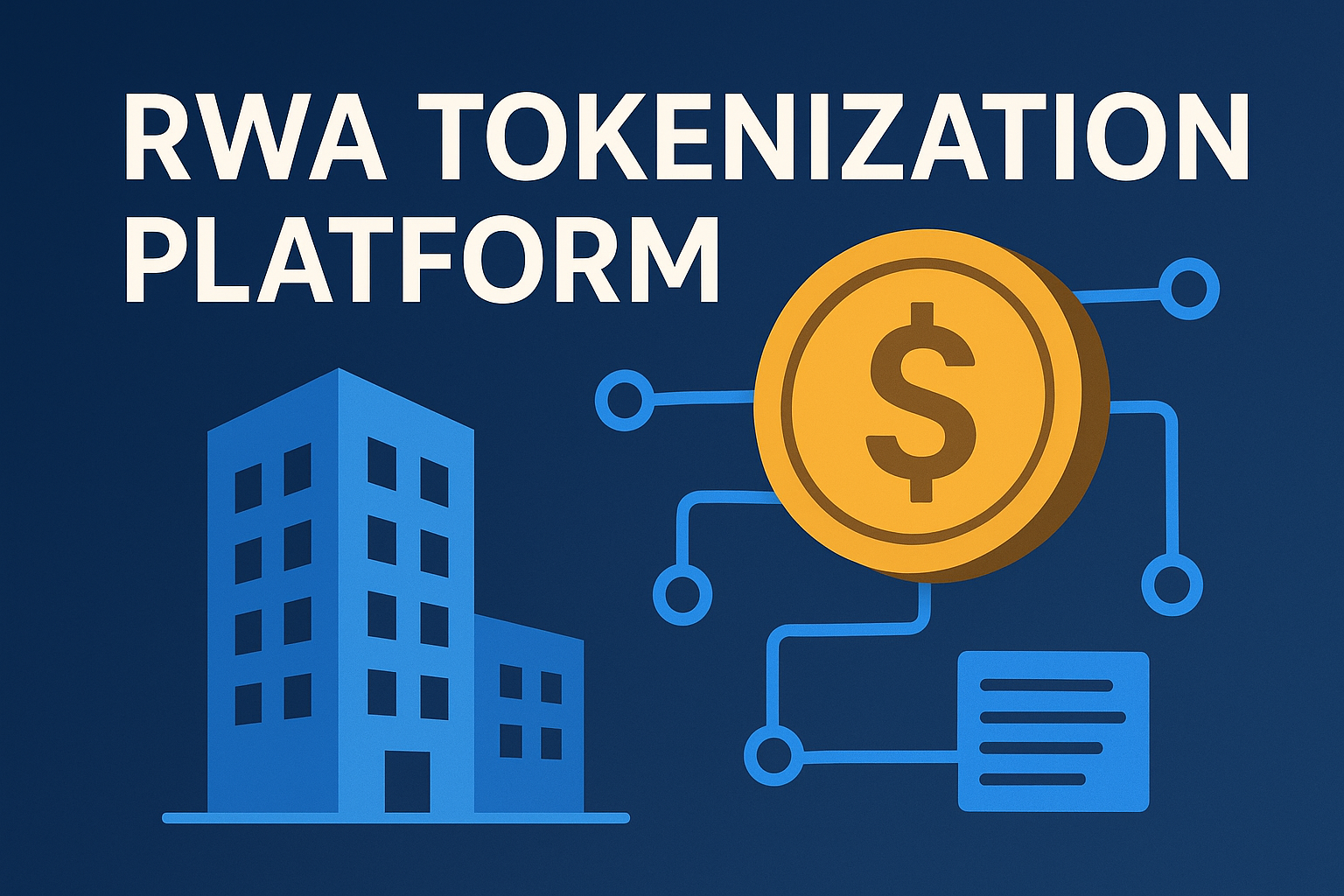
The rise of Real-World Asset (RWA) tokenization is redefining how businesses and investors engage with traditional assets. From real estate and equities to fine art and commodities, tokenization transforms physical and intangible assets into digital tokens backed by blockchain. This approach not only improves transparency but also offers fractional ownership, making high-value investments accessible to a wider audience. For entrepreneurs, building an RWA tokenization platform opens the door to a high-growth market where innovation meets global demand.
However, launching an RWA tokenization platform is not just about adopting blockchain technology. It requires strategic planning, legal compliance, secure infrastructure, and a strong go-to-market strategy. Entrepreneurs need to align with investor expectations, regulatory frameworks, and technical requirements to build a platform that ensures trust and liquidity. This guide will walk you through the essential steps to successfully launch your own RWA tokenization platform in 2025, highlighting critical considerations and opportunities.
What is RWA Tokenization?
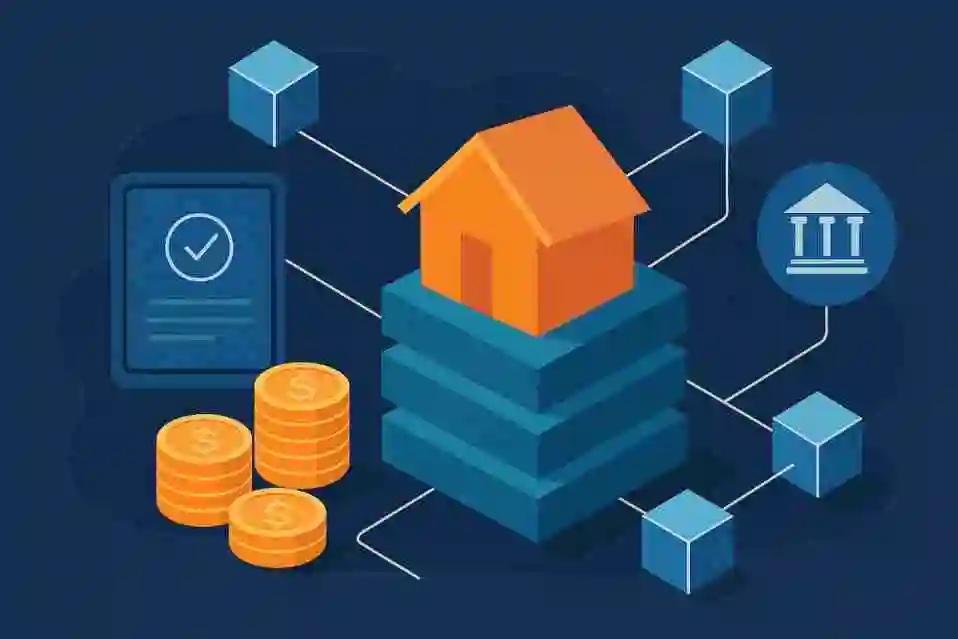
RWA (Real-World Asset) tokenization is the process of converting physical or financial assets such as real estate, commodities, equities, art, or intellectual property into digital tokens on a blockchain. Each token represents ownership or a share of the underlying asset, enabling fractional investment, easier transferability, and enhanced liquidity. By leveraging blockchain’s transparency and security, RWA tokenization makes traditionally illiquid assets accessible to a global pool of investors while reducing costs, improving efficiency, and ensuring trust through immutable records.
Understanding the Benefits of RWA Tokenization
Real-World Asset (RWA) tokenization is transforming traditional finance by bringing physical and financial assets onto the blockchain. This innovation allows investors and businesses to access new opportunities while unlocking liquidity and efficiency. Below are the key benefits of RWA tokenization:
Fractional Ownership – Enables investors to buy fractions of high-value assets like real estate, art, or bonds, making them more accessible.
Increased Liquidity – Tokenized assets can be traded on secondary markets, reducing the illiquidity of traditional assets.
Global Accessibility – Investors from anywhere can participate without geographic restrictions, broadening the investment base.
Transparency and Trust – Blockchain ensures transparent records of ownership, transactions, and asset history.
Lower Transaction Costs – Smart contracts automate processes, reducing intermediaries and associated costs.
Faster Settlement Times – Tokenized transactions are executed in near real-time compared to traditional financial systems.
Regulatory Compliance Integration – KYC/AML and security token standards can be embedded for compliance.
Portfolio Diversification – Investors gain exposure to a wide range of assets across sectors and regions.
Improved Efficiency for Asset Issuers – Streamlines fundraising and management of investments.
Enhanced Security – Blockchain encryption and decentralized frameworks reduce risks of fraud or manipulation.
Step 1: Define Your Niche and Asset Class
When launching an RWA tokenization platform, the first step is identifying the niche and type of assets you want to tokenize. This helps in shaping your platform’s strategy, aligning with market demand, and ensuring compliance with regulatory frameworks. Below are the major asset classes you can consider:
Real Estate
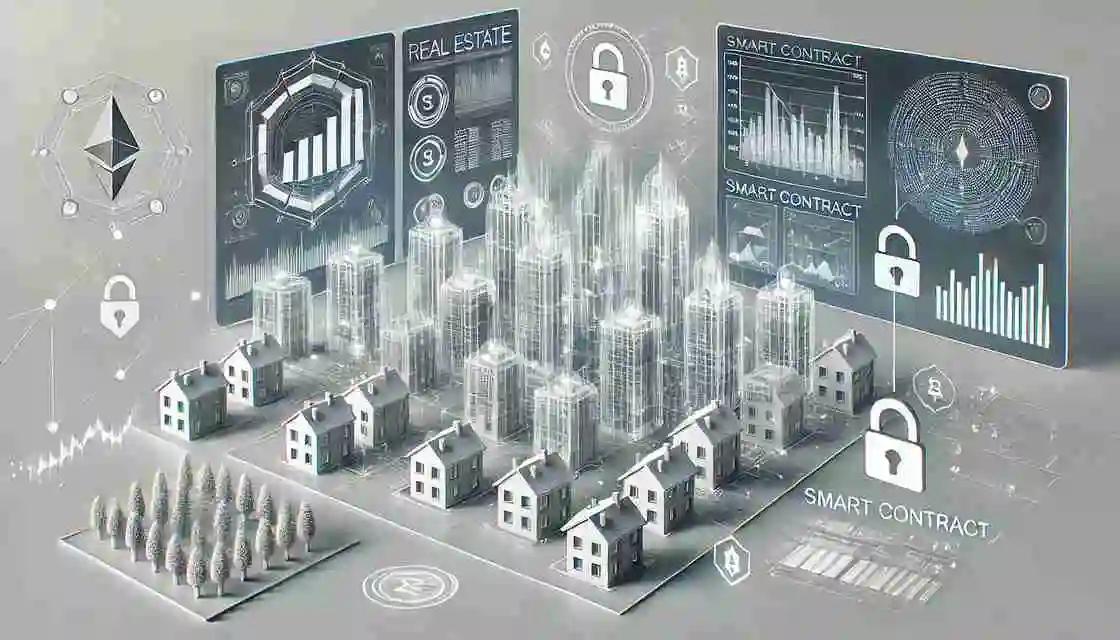
Tokenizing real estate allows investors to buy fractions of residential, commercial, or industrial properties. This makes high-value real estate investments accessible to small investors while offering property owners a new way to raise capital. It also increases liquidity in a traditionally illiquid sector, enabling faster transactions and secondary trading.Commodities
Gold, silver, oil, and agricultural goods can be tokenized, creating digital representations that can be easily traded. Commodity tokenization eliminates barriers in global trading, reduces costs associated with intermediaries, and ensures transparency in asset ownership. It’s a powerful way to bring traditional commodity markets into the blockchain era.Equities and Bonds
Tokenizing shares and debt instruments provides investors with fractional access to financial securities. This improves market efficiency, lowers entry barriers, and expands investor participation. For businesses, it enables streamlined fundraising and easier secondary market trading of securities.Art and Collectibles
High-value artworks, antiques, and rare collectibles can be tokenized, allowing fractional ownership of luxury items. This opens up opportunities for investors who couldn’t traditionally afford to participate while providing artists and collectors with enhanced liquidity and global exposure.Intellectual Property (IP)
Patents, trademarks, and copyrights can also be tokenized, giving innovators the ability to raise funds through fractionalized ownership of their intellectual assets. This encourages innovation, protects rights, and creates new revenue streams for creators.
Step 2: Ensure Legal and Regulatory Compliance
Compliance is the backbone of any RWA tokenization platform, as tokenized assets often fall under securities laws in different jurisdictions. Ignoring regulations can lead to legal hurdles, loss of investor trust, or even shutdowns. To build a sustainable and trustworthy platform, it’s essential to embed compliance from the very beginning. Below are the key areas to consider:
KYC/AML Procedures
Know Your Customer (KYC) and Anti-Money Laundering (AML) checks are mandatory to prevent fraud and illegal activities. By verifying investor identities and monitoring transactions, you ensure that your platform builds credibility and adheres to global financial standards.Security Token Regulations
Tokenized assets frequently qualify as securities, which means they must comply with security laws of the jurisdiction where the platform operates. Adhering to these rules helps in avoiding penalties and ensures your platform operates legitimately in the eyes of regulators.Jurisdictional Licensing
Each country has its own regulatory framework for asset tokenization. Obtaining the necessary licenses in your target market is crucial for legal operations and global investor participation. Choosing favorable jurisdictions, like Switzerland or Singapore, can also provide regulatory advantages.Taxation Compliance
Tax laws apply to tokenized transactions, including capital gains, dividends, or royalties. Setting up clear tax reporting and compliance mechanisms safeguards investors and avoids disputes with tax authorities.Investor Protection Frameworks
Embedding investor rights into your platform such as voting rights, dividend distribution, and dispute resolution ensures fairness and builds confidence. Strong protection mechanisms make your platform more attractive to institutional investors as well as retail participants.
Step 3: Choose the Right Blockchain Infrastructure
The success of your RWA tokenization platform heavily depends on the blockchain you choose. The right infrastructure ensures scalability, security, interoperability, and cost-efficiency. Since tokenized assets need to handle large volumes of transactions and investor activities, selecting the right blockchain is a critical decision. Below are the main factors and options to consider:
Ethereum
Ethereum remains the most widely used blockchain for tokenization due to its robust ecosystem and support for smart contracts. With standards like ERC-20, ERC-721, and ERC-1400, it provides flexibility for asset tokenization. However, high gas fees can be a drawback, making it less cost-effective for smaller transactions.Polygon (Layer 2 Solution)
Polygon offers a scalable and cost-effective alternative to Ethereum, while still benefiting from Ethereum’s security. It provides faster transaction speeds and reduced costs, making it a strong option for platforms expecting high trading volumes or global user bases.Avalanche
Known for its high throughput and low latency, Avalanche is ideal for tokenization platforms that require near-instant settlements. Its consensus mechanism enables both speed and scalability, making it suitable for institutions aiming for efficiency without compromising security.Binance Smart Chain (BSC)
BSC provides a balance between performance and affordability. With lower transaction fees and compatibility with Ethereum-based tools, it’s a popular choice for startups looking to launch quickly without heavy infrastructure costs.Interoperability Considerations
When choosing a blockchain, interoperability is essential since tokenized assets may need to move across networks. Opting for chains that support cross-chain bridges ensures broader investor access and liquidity, improving the platform’s long-term sustainability.
Step 4: Design Tokenomics and Governance
Tokenomics and governance are the foundation of any RWA tokenization platform, as they define how value is created, distributed, and managed within the ecosystem. A well-structured model not only attracts investors but also ensures transparency, trust, and long-term sustainability. Below are the key aspects to focus on:
Token Standards
Choosing the right token standard is vital for smooth functionality and compliance. ERC-20 tokens work well for fungible assets, ERC-721 for unique assets like art, and ERC-1400 for security tokens with built-in compliance. The right standard ensures interoperability and ease of integration.Utility and Incentives
Clearly defining the purpose of your token helps create demand and engagement. Whether it’s access to investment opportunities, staking benefits, or governance participation, tokens should provide real value. Incentives like rewards or reduced fees can further boost investor adoption.Governance Mechanisms
A decentralized governance model allows investors to participate in decision-making. Through mechanisms like DAO (Decentralized Autonomous Organization) voting, token holders can vote on platform updates, asset listings, or policy changes, ensuring fairness and community trust.Dividend and Profit Distribution
For tokenized real-world assets, investors expect returns in the form of dividends, rental income, or profit shares. Embedding distribution mechanisms into smart contracts ensures automatic, transparent, and timely payouts to investors.Long-Term Sustainability
A successful tokenomics model isn’t just about short-term gains. It should account for inflation control, token burn strategies, and long-term liquidity management. Sustainable models help in building investor confidence and platform stability.
Step 5: Build a Secure Technical Infrastructure
A strong technical foundation is critical for the success of any RWA tokenization platform. Since the platform will deal with sensitive investor data, asset ownership records, and high-value transactions, security and scalability must be the top priorities. Building a reliable infrastructure ensures trust, compliance, and smooth functionality. Below are the key components to focus on:
Smart Contract Development
Smart contracts automate core functions like token issuance, ownership transfer, and dividend distribution. These contracts must be carefully audited to eliminate vulnerabilities, as even minor flaws can result in financial losses or exploitation.Custody Solutions
Secure storage of tokenized assets and investor funds is essential. Platforms can integrate custodial or non-custodial wallet systems to ensure safe asset management. Cold storage options and multi-signature wallets add extra layers of protection.Wallet Integration
Investors need user-friendly digital wallets to hold and manage their tokens. Ensuring seamless wallet integration with multi-device support builds accessibility while maintaining strong encryption and private key protection.Cybersecurity Measures
From firewalls and intrusion detection systems to regular security audits, implementing advanced cybersecurity protocols is mandatory. This helps prevent hacking attempts, phishing attacks, and other cyber risks that could compromise investor trust.Scalability and Performance
As the platform grows, it must handle thousands of transactions per second without downtime. Leveraging scalable blockchain solutions and cloud infrastructure ensures smooth operations even during high trading volumes.
Step 6: Create an Investor-Friendly Platform UI/UX
A user-friendly design is a cornerstone of any successful RWA tokenization platform. Since the target audience includes both seasoned investors and newcomers, the interface must be intuitive, transparent, and easy to navigate. A well-designed UI/UX ensures smooth onboarding, builds investor confidence, and enhances long-term engagement. Below are the essential aspects to consider:
Seamless Onboarding
The registration and KYC process should be quick, straightforward, and secure. By integrating automated verification tools and simplifying steps, you make it easier for investors to get started without facing unnecessary friction.Clear Asset Information
Investors must have access to detailed information about tokenized assets, including valuation, ownership rights, expected returns, and associated risks. Presenting this data in a clean and transparent manner helps in building trust.Interactive Dashboards
Providing investors with real-time dashboards showing portfolio performance, transaction history, and dividend payouts creates a sense of control. Visual analytics and charts also enhance decision-making.Mobile Responsiveness
Since many investors prefer trading on the go, having a mobile-friendly platform or dedicated app is crucial. Responsive design ensures that all features work seamlessly across devices.User Security Features
Incorporating features like two-factor authentication (2FA), biometric logins, and activity notifications boosts user confidence. Security-driven design reassures investors that their funds and data are well protected.
Step 7: Build Partnerships and Ecosystem Support
No RWA tokenization platform can succeed in isolation. Building strong partnerships and fostering an ecosystem around your platform is essential for growth, liquidity, and credibility. Collaborating with key stakeholders ensures regulatory alignment, access to investors, and a wider market reach. Below are the critical areas where partnerships can add value:
Financial Institutions
Partnering with banks, asset managers, and investment firms strengthens your platform’s legitimacy. These collaborations help in attracting institutional investors, enhancing liquidity, and providing custodial support for large-scale transactions.Legal and Regulatory Experts
Since tokenized assets operate under complex legal frameworks, working with legal advisors and compliance firms ensures that your platform remains compliant. These partnerships also help in navigating cross-border regulations effectively.Blockchain and Tech Providers
Collaboration with blockchain development companies, smart contract auditors, and cybersecurity firms ensures a secure and scalable technical infrastructure. Reliable technology partners can also help you adapt to emerging trends quickly.Secondary Market Platforms
Connecting with exchanges and secondary trading platforms boosts liquidity by allowing investors to buy and sell tokenized assets seamlessly. This improves investor confidence and makes your platform more attractive.Community and Ecosystem Partners
Engaging with Web3 communities, influencers, and industry associations builds awareness and credibility. Community-driven ecosystems foster trust, encourage user adoption, and help in long-term brand building.
Step 8: Launch Marketing and Investor Outreach
Even the most secure and innovative RWA tokenization platform won’t succeed without visibility. A strong marketing and outreach strategy ensures that investors, asset owners, and partners know about your platform’s value. Effective promotion builds trust, attracts early adopters, and establishes long-term growth. Below are the key elements to focus on:
Brand Positioning
Clearly define your platform’s unique value proposition—whether it’s security, low fees, or global accessibility. A strong brand message resonates with target investors and helps differentiate your platform in a competitive market.Content and Thought Leadership
Publishing blogs, case studies, and whitepapers educates investors about RWA tokenization and builds credibility. Establishing your team as thought leaders in the industry fosters trust and encourages adoption.Community Engagement
Building a strong online community on platforms like Telegram, Discord, and X (Twitter) creates a direct communication channel with investors. Regular updates, AMAs, and interactive events strengthen trust and loyalty.Influencer and PR Campaigns
Collaborating with Web3 influencers and using targeted PR campaigns can amplify your reach. Media coverage in crypto and fintech outlets increases exposure to both retail and institutional investors.Investor Relations and Outreach
Actively engaging with venture capitalists, angel investors, and institutional players builds strong financial backing. Hosting investor webinars and demo sessions showcases your platform’s potential and attracts early adopters.
Future of RWA Tokenization Platforms in 2025
The future of RWA tokenization platforms in 2025 looks highly promising, as traditional finance and blockchain continue to merge. With growing institutional adoption, more assets such as real estate, bonds, and commodities are expected to move onto blockchain networks. Governments are also working on clearer regulations, which will provide legal certainty and encourage wider adoption. This shift will not only make investments more accessible but also create an interconnected global marketplace for tokenized assets.
In addition, advancements in blockchain interoperability, smart contracts, and DeFi integration will take tokenization to the next level. Investors will experience faster settlements, greater liquidity, and diversified opportunities through seamless cross-border trading. As trust in tokenized systems grows, platforms that focus on security, compliance, and user experience will emerge as leaders. Ultimately, 2025 is set to be a pivotal year where RWA tokenization transitions from a niche innovation into a mainstream financial revolution.
Conclusion
Launching an RWA tokenization platform can be one of the most rewarding ventures in today’s digital economy. With the right approach, entrepreneurs can unlock global capital, reduce investment barriers, and create a seamless bridge between traditional finance and blockchain-powered ecosystems. As adoption grows, platforms that prioritize security, compliance, and user experience will stand out as industry leaders.
To succeed, you must focus on more than just technology. A long-term vision, strong partnerships, and continuous adaptation to evolving regulations are equally critical. By combining innovation with responsibility, you can build a platform that not only generates profit but also contributes to shaping the future of decentralized finance. Now is the time to act, as early movers in the RWA tokenization space will gain a lasting competitive advantage.

Write a comment ...