
The real estate industry has been significantly impacted by blockchain technology, with tokenization emerging as a game-changing innovation. Tokenizing real estate assets involves converting the ownership of a property into digital tokens on a blockchain, making it easier to buy, sell, and manage assets. As the demand for tokenized assets grows, white label real estate tokenization platforms have become increasingly popular due to their ease of implementation and customizable features.
In this blog, we will explore the concept of white label real estate tokenization, its benefits, key features, and a step-by-step guide to implementation. Whether you are a property owner, investor, or real estate enterprise, understanding these platforms will help you leverage the potential of tokenization efficiently.
What Is Real Estate Tokenization?
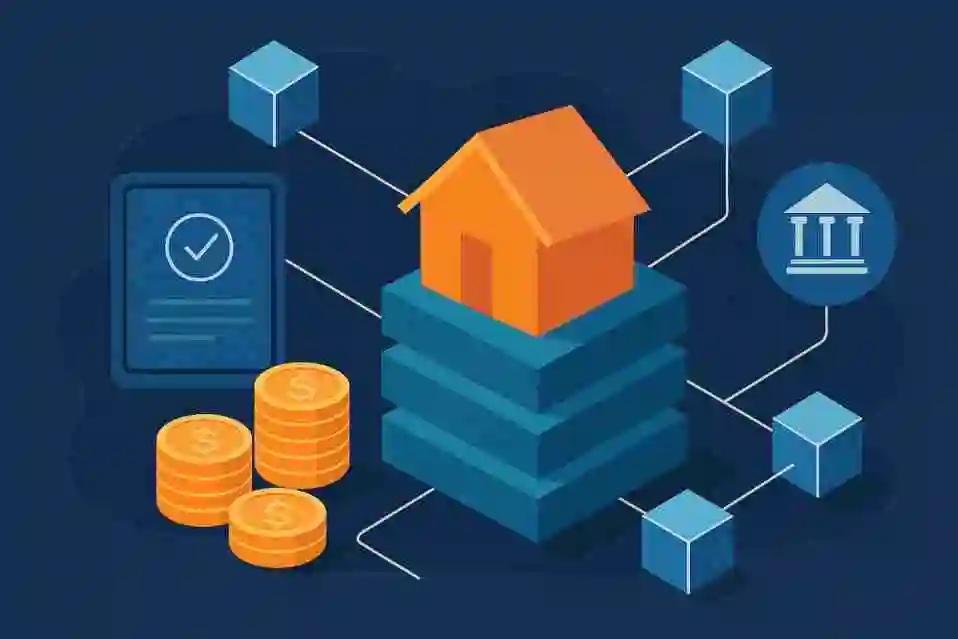
Real estate tokenization is the process of digitizing property assets by converting ownership into blockchain-based tokens. These tokens represent a share of the property, allowing investors to buy fractional ownership rather than the entire asset. Each token holds value proportional to the underlying property and can be traded, transferred, or held as an investment.
Tokenization simplifies real estate transactions by leveraging blockchain’s transparency, security, and immutability. Investors gain easier access to property markets, while property owners can raise funds by selling fractional ownership.
How Does Tokenization Work?
Asset Identification: Select a real estate asset suitable for tokenization.
Legal Structuring: Ensure the property complies with local regulations.
Token Creation: Develop blockchain tokens representing shares of the property.
Platform Integration: Deploy tokens on a blockchain-powered platform.
Investor Participation: Allow investors to buy and trade tokens.
Advantages of Real Estate Tokenization
Increased Liquidity: Enables fractional ownership and trading on secondary markets.
Borderless Investment: Attracts global investors through blockchain accessibility.
Transparency: Blockchain ensures immutable and traceable transaction records.
Reduced Intermediaries: Automated transactions lower costs and enhance efficiency.
Fractional Ownership: Lowers the barrier to entry for small investors.
Key Benefits of White Label Real Estate Tokenization Platforms
1. Faster Deployment and Cost Efficiency
White label platforms are designed to be quickly deployed, helping businesses reduce their time to market. Since the core functionalities are already built, customization is mainly about branding and minor feature adjustments. This significantly lowers development costs and allows companies to start tokenizing assets faster.
2. Customizability and Branding
One of the most attractive features of white label solutions is the ability to customize the platform to reflect a company’s identity. From interface design to functional modules, companies can tailor the platform to meet their unique needs. This is crucial for maintaining brand consistency while offering innovative services.
3. Regulatory Compliance and Security
Regulatory compliance is a primary concern in real estate tokenization. White label platforms come with built-in compliance tools such as KYC (Know Your Customer), AML (Anti-Money Laundering), and SEC compliance. Additionally, blockchain security measures, including smart contract audits and encrypted data storage, protect investor information and assets.
4. Enhanced Liquidity and Accessibility
Tokenizing real estate improves market liquidity by allowing fractional ownership and trading. Investors can buy small portions of high-value properties, making real estate investment more accessible. Moreover, secondary markets enable token trading, providing liquidity even in traditionally illiquid assets.
5. Efficient Property Management
Property management is streamlined through automated processes like rent distribution, maintenance tracking, and ownership updates. The platform can automatically execute transactions via smart contracts, reducing manual intervention and errors.
Features of an Ideal White Label Real Estate Tokenization Platform
User Dashboard and Investor Portal A user-friendly and intuitive dashboard is a key feature of a white label real estate tokenization platform. It provides investors with easy access to their portfolios, enabling them to monitor investments, track performance, and view dividends or rental income. The dashboard should provide real-time data on asset values, property appreciation, and performance metrics. A strong investor portal allows seamless communication between investors and asset managers, fostering transparency. Personalized reporting tools and notifications further enhance the experience, empowering users to make informed decisions about their investments.
Smart Contract Automation Smart contracts are vital for automating and securing transactions in the real estate tokenization process. They ensure that transactions, like property transfers or revenue distributions, are executed automatically once predefined conditions are met. A robust smart contract engine on the platform facilitates these self-executing contracts, eliminating the need for intermediaries and reducing operational costs. Additionally, smart contracts provide transparency and help maintain trust among investors by ensuring that all transactions are accurately recorded and executed without errors. Customizable smart contracts also allow for flexibility in dealing with varying investment structures across different assets.
Token Creation and Distribution The platform should provide a seamless process for creating and distributing tokens, enabling real estate assets to be digitized and represented as tradable digital tokens. Token creation tools should allow for customization based on asset valuation, legal considerations, and compliance requirements. Moreover, token distribution features should support fractional ownership, enabling investors to purchase smaller shares of high-value properties. This fractionalization opens up real estate investment to a wider audience, making it more accessible. The platform should also offer liquidity solutions, such as integration with secondary markets or decentralized exchanges, to allow token holders to trade their assets easily.
Compliance and KYC/AML Integration Ensuring compliance with local and international regulations is a critical component of any real estate tokenization platform. Integrated compliance modules allow the platform to adhere to regulatory standards across multiple jurisdictions. Automated Know Your Customer (KYC) and Anti-Money Laundering (AML) checks streamline the onboarding process and reduce fraud risk. The platform should provide continuous monitoring to ensure that the tokenization process remains compliant with evolving laws and regulations. Automated reporting and auditing tools ensure transparency, allowing both users and regulators to track all transactions and processes.
Wallet Integration and Asset Management Multi-crypto wallet support is essential for secure token storage and transaction management. The platform should integrate with various wallets to provide users with flexibility and security when managing their digital assets. Alongside wallet integration, asset management tools are crucial for investors to track rental income, capital gains, and transaction history. These tools offer insights into the financial performance of real estate investments, helping users monitor their portfolios effectively. Furthermore, integration with staking mechanisms, dividend distribution systems, and decentralized exchanges enhances the platform’s functionality and user appeal.
Real-Life Use Cases and Success Stories
1. Tokenization of Luxury Real Estate in New York City
A prime example of the success of real estate tokenization comes from the tokenization of luxury properties in New York City. In 2019, a landmark initiative saw the tokenization of a luxury real estate asset on the Ethereum blockchain.
Success Highlights:
Democratization of Investment: Investors who couldn’t previously afford to buy luxury real estate were able to participate, making high-end real estate more accessible to a broader audience.
Liquidity in an Illiquid Market: Tokenization allowed the property to be traded on secondary markets, providing liquidity in an asset class that typically lacks it.
Faster Transactions: The blockchain-enabled process significantly sped up the buying and selling process compared to traditional real estate transactions.
2. The Case of Commercial Real Estate in Europe
In Europe, a commercial real estate project successfully tokenized an entire office building in London, allowing institutional and retail investors to pool their resources into a single large-scale commercial property.
Success Highlights:
Enhanced Fractional Ownership: Tokenization enabled fractional ownership of an office building, breaking down the large financial barrier typically associated with commercial real estate.
Efficient Property Management: The platform allowed for efficient management of rental income and expenses through smart contracts, reducing the administrative burden for property managers.
Global Investor Base: By tokenizing the asset, the property was able to attract investors from around the world, overcoming geographic restrictions that traditionally limited commercial real estate investment opportunities.
Implementation: How to Launch Your Own Platform
Step 1: Identify Your Requirements
Before you start, it’s essential to establish a clear roadmap. This begins with understanding the type of real estate assets you want to tokenize, the markets you aim to serve, and the specific features your platform must include.
Determine Asset Types: Decide whether you will tokenize residential, commercial, industrial, or mixed-use properties. Consider their unique characteristics, such as liquidity potential and investor preferences.
Identify Target Markets: Research the jurisdictions you intend to operate in. Review local regulations and compliance requirements, ensuring your platform adheres to security laws, ownership structures, and other legal frameworks.
Define Essential Features: List core functionalities such as token creation, investor dashboards, compliance integration, and payment gateways. Consider investor-centric tools like analytics dashboards, seamless wallet integration, and multi-currency support.
Understanding these requirements lays the groundwork for choosing the right white label provider and customizing your platform effectively.
Step 2: Choose a Reliable White Label Provider
The choice of your white label provider is crucial for the quality, reliability, and security of your platform.
Provider Experience: Opt for providers with proven expertise in blockchain and real estate tokenization. Evaluate their previous projects, focusing on performance, security, and scalability.
Customization and Compliance: Ensure the platform supports extensive customization to align with your branding and jurisdiction-specific requirements. Look for features like KYC/AML integration and compliance with regional regulatory standards.
Reviews and Benchmarks: Check client reviews, testimonials, and performance metrics such as uptime reliability, transaction speed, and security protocols. Ensure the provider offers robust customer support and consistent updates.
Choosing a reputable provider ensures a reliable platform that meets your technical and regulatory needs.
Step 3: Customization and Branding
Personalizing your platform is essential for attracting users and differentiating your offering from competitors.
Brand Identity: Incorporate your company’s logo, color scheme, and user interface design to enhance brand recognition. Maintain consistency in visuals and communication styles across the platform.
Smart Contract Customization: Collaborate with the provider to tailor smart contracts according to your specific requirements. This includes setting transaction rules, revenue distribution mechanisms, and automated compliance protocols.
Feature Integration: Add essential modules like investor dashboards, automated reporting tools, payment gateways, and transaction tracking systems. Ensure these features provide a seamless and intuitive user experience.
Step 4: Testing and Security Audits
Thorough testing and auditing are critical before launching your platform to ensure optimal performance and security.
Testing Protocols: Conduct comprehensive functional and usability testing to verify that all features operate correctly. Identify and fix bugs, glitches, and inefficiencies during this phase.
Smart Contract Audits: Hire professional auditors to review your smart contracts for vulnerabilities or errors. Implement their recommendations to ensure secure, flawless execution of automated processes.
Load Testing: Simulate heavy user activity to measure the platform’s performance under stress. Ensure it can handle high transaction volumes without compromising speed or security.
Step 5: Launch and Maintenance
Once testing is complete, it’s time to launch your platform and maintain its efficiency and security over time.
Marketing Strategy: Develop a comprehensive plan to attract investors. Utilize social media, email campaigns, SEO, influencer partnerships, and press releases to build awareness.
User Training: Provide detailed training sessions for investors and support staff to ensure smooth onboarding and usage. Offer resources like tutorials, webinars, and customer support channels.
Ongoing Maintenance: Continuously monitor the platform’s performance and security. Apply updates to maintain compliance with evolving regulations and enhance user experience. Regularly conduct security audits to prevent breaches and maintain investor trust.
Conclusion
White label real estate tokenization platforms offer a fast, efficient, and customizable way to enter the blockchain-driven property investment market. By leveraging pre-built solutions, businesses can focus on branding and customer experience without the burden of extensive development.
As real estate continues to evolve with digital innovations, adopting a white label tokenization platform can provide competitive advantages, greater market reach, and enhanced investment opportunities. Embrace the future of real estate by making tokenization a part of your business strategy.







Write a comment ...